


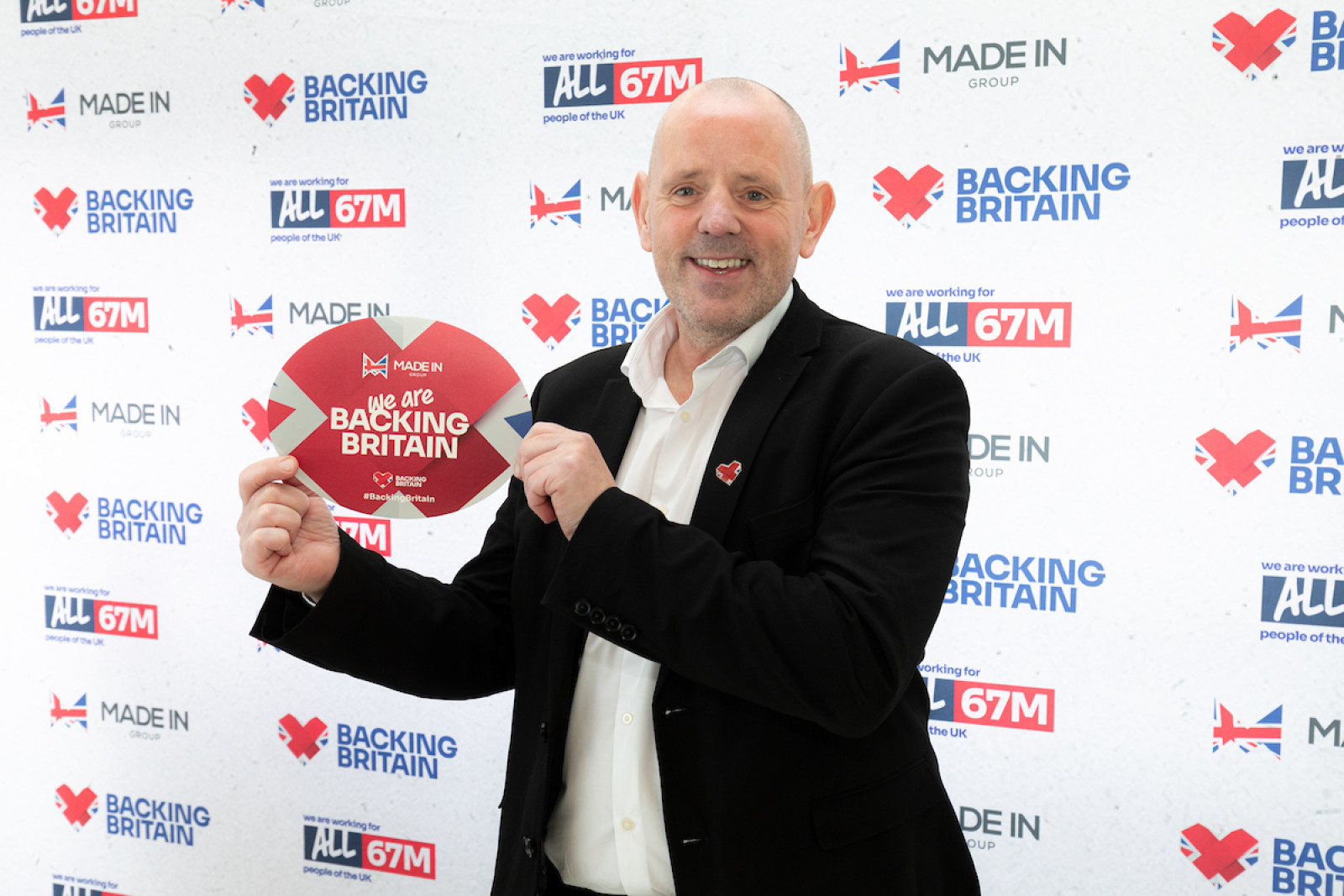
When Machines Change, the Gold Is Trust: Ian Lloyd and the emergence of a new factory mindset
By Ilona Pitt, Made in the Midlands
Many factories today hum with intelligence.
Screens glow with live data. Machines move with quiet precision. Automation has taken over the heavy lifting that once defined the job – faster, cleaner, more exact. For those who began their careers before screens and sensors, the contrast is stark.
It looks like progress. It is progress.
Ian Lloyd now sits at the centre of this world. As Operations Director at Amtico, a British manufacturer of luxury vinyl flooring used in commercial and residential spaces, he carries responsibility for complex manufacturing systems, automation, people, and performance – the kind of role where margins are tight and decisions ripple far beyond the shop floor.
But the first factory he ever walked into, at sixteen, looked nothing like this.
In the 1980s, manufacturing was a place of endurance. Oil-stained floors. Clipboards instead of screens. The constant thud of work that never paused to explain itself. Managers stayed behind closed doors. The shop floor worked. Management decided.
Authority ran one way, and experience counted more than potential. And if you didn’t have the right qualifications, you learned quickly not to ask why.
They called it the old factory mentality.
Technology has rewritten almost everything about the factory floor. But not everything that matters moves at the speed of machines.
Ilona Pitt: Take me back to that early period. What did the factory feel like when you were starting out – long before Amtico, before the automation, before the titles?
Ian Lloyd: It was a complete culture shock. You finished school on a Friday and by Monday you were in a factory – that was normal then.
I had no qualifications and no experience of manufacturing at all. I just wanted to work. So I went round the industrial estate knocking on doors. One place said yes – and that was it. By Tuesday, I was on the shop floor.
There was no induction. No easing you in. Just noise, movement, and the feeling that you’d stepped into a completely different world overnight.
IP: What kind of place had you walked into?
IL: Big. Heavy engineering. Welding, painting, cut-and-sew. Seats being made for Volvo, JCB, Caterpillar – proper industrial work. One minute you’re a kid in a classroom. The next, you’re surrounded by machinery. Health and safety was… different. My first job was projection welding. Then someone said, “Jump on the forklift.”
I told them I’d never driven one.
They said, “Put your foot there, pull that lever – you’ll be fine.”
That was the training.
We used to go to the pub at lunchtime. Forty-minute break, three pints, straight back to work. You could smoke on the shop floor. No one questioned it. It sounds mad now – and it was – but that was factory life. You did what you were told.
IP: And when people talk about the “old factory mentality”, is that what they mean?
IL: Exactly. Authority ran one way. Management decided. If you didn’t have qualifications, you didn’t talk about progression. I realised quite early on that while I enjoyed the work, I didn’t want to stand in the same place for the rest of my life.
But I stayed. Because I could sense things could be better – even if I didn’t yet have the words or backing to change them.
IP: You’ve said there was one conversation that changed everything – but it came many years into your working career. What happened?
IL: I still remember the day I met Mick Morrisroe. He was my training manager at the time. By then, I was frustrated and stuck.
I was putting the effort in, doing everything asked of me, but I didn’t feel heard. I kept being overlooked because I didn’t have the right qualifications, and it was wearing me down.
Then one day Mick came over and started talking. It wasn’t formal – just a conversation on the shop floor. He asked what I enjoyed, what I wanted to achieve, where I saw myself going.
No one had ever asked me that before.
It wasn’t just a conversation – it marked the space between where I was and where I could go. Mick didn’t focus on what I lacked. He focused on what I could become. He believed in me.
IP: What changed after that?
IL: Everything – but not overnight.
I started working towards the qualifications I needed while still working full-time. Evenings. Weekends. College first, then further study.
It was hard. I had a young family. I missed moments you don’t get back – swimming lessons, school events. That’s the cost.
But slowly, alongside the experience I already had, I built confidence. The barriers didn’t disappear – they changed shape. They became stepping stones.
That’s when my mindset shifted. From feeling stuck, to believing there was a path forward.
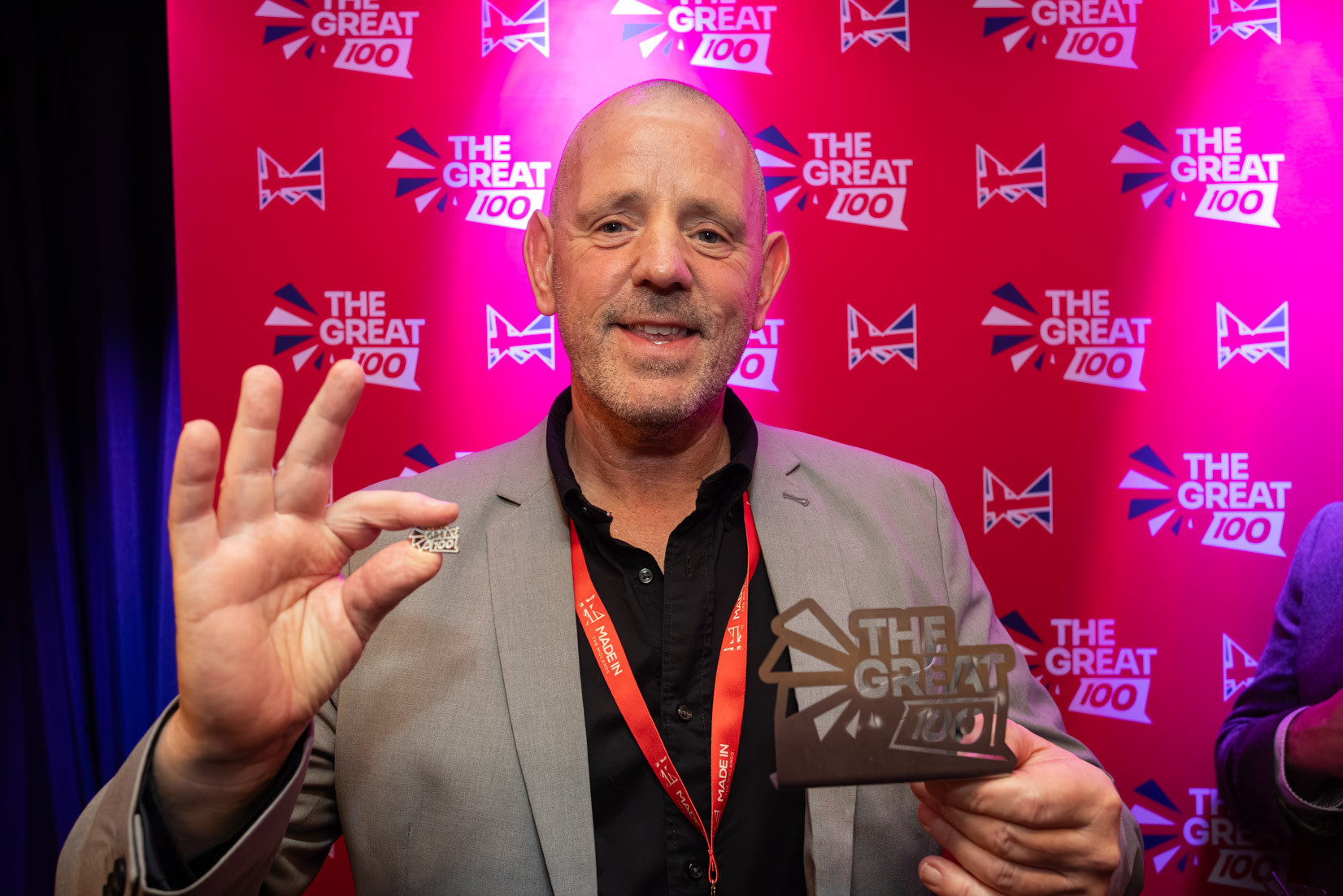
Ian Lloyd, Operations Director at Amtico, named a Great100 Industry Advocate – recognition earned through trust, people and long-term leadership.
IP: Looking back, when did leadership stop feeling like progression and start feeling like responsibility?
IL: When the decisions stopped being just about me.
Once you’re responsible for a team, the weight changes. Not everyone agrees with every decision. That’s when leadership becomes real.
It would’ve been easy to rely on authority. But I kept thinking about how Mick treated me – with honesty, patience, respect.
IP: And how did that influence how you led?
IL: Instead of proving I was right, I listened. I explained my decisions. I tried to keep trust intact, even when it would’ve been easier not to.
Listening isn’t easy. It takes time. It means sitting with disagreement.
But it taught me what leadership really demands.
IP: Which is?
IL: It’s not titles or authority. It’s trust. Giving people a voice. Helping them grow. That’s shaped how I lead ever since.
IP: Take me back to your first day at Amtico. What did you walk into?
IL: April 1st – April Fool’s Day. I remember sitting in the 8:30 operations meeting listening to health and safety, planning, quality, warehouse.
Everyone knew their numbers. Their people. Their challenges. There was no theatre.
I remember thinking, I’m going to be exposed here.
But as time goes on, you start scratching the surface. You see gaps. Silos. People performing well – but independently. And you see culture. People who’ve been there decades. You have to win hearts and minds first.
IP: What do those pockets look like in a modern factory?
IL: They’re real. You roll something out and most people embrace it – but some don’t. Factory digitalisation and the introduction of Redzone is a good example. People had been using notebooks for years. Suddenly there are screens everywhere. iPads. Live data.
For some, the fear isn’t the system. It’s confidence. They don’t want to be exposed.
So you slow down. Take people out of the environment. Listen. Train properly.
And you see breakthroughs. The very people who resisted start embracing it.
Some people do leave. They don’t want to change. That can be the right outcome for both sides.
IP: How did you help people feel part of something bigger?
IL: By giving them a voice – and sometimes by making a statement.
We took shop-floor employees to black-tie awards events. That was unheard of. But they’re part of the achievement.
Seeing someone who’s never been invited anywhere like that, sitting at a table with directors, realising they belong – that changes how people see themselves.
IP: Once resistance eased, what did meaningful change look like?
IL: Making work worth staying for.
Automation should take strain out of work – not people out of the picture. Robots took on repetitive tasks, but people’s roles evolved. Upskilling became critical.
IP: How did people respond?
IL: With disbelief at first.
You’d say, “We want to train you to programme robots,” and they’d think you were joking.
But you don’t rush it. You support people. Build confidence, alongside competence.
Then something shifts. People take ownership. They’re proud of what they do.
Automation didn’t remove people from the factory. It revealed what they were capable of.
IP: How do you know it’s working?
IL: You can feel it.
People collaborate more. They’re open to change because they trust it’s happening with them. That trust has to be earned continuously. You listen. You adapt. You invest again – and slowly, it becomes culture.
The factory Ian Lloyd leads today would be unrecognisable to the sixteen-year-old who first walked onto a manufacturing shop floor. The machines are smarter. The data is live. Automation has reshaped the work itself.
Yet the most important exchanges still don’t appear on screens.
They happen in conversations. In moments of listening. In the decision to bring people with you, rather than leave them behind.
The manufacturing industry began to recognise what had been quietly shaping its best leaders all along – a new factory mindset taking hold.
When machines change, the gold is trust – passed from one person to the next, and growing in value every time it’s honoured.