






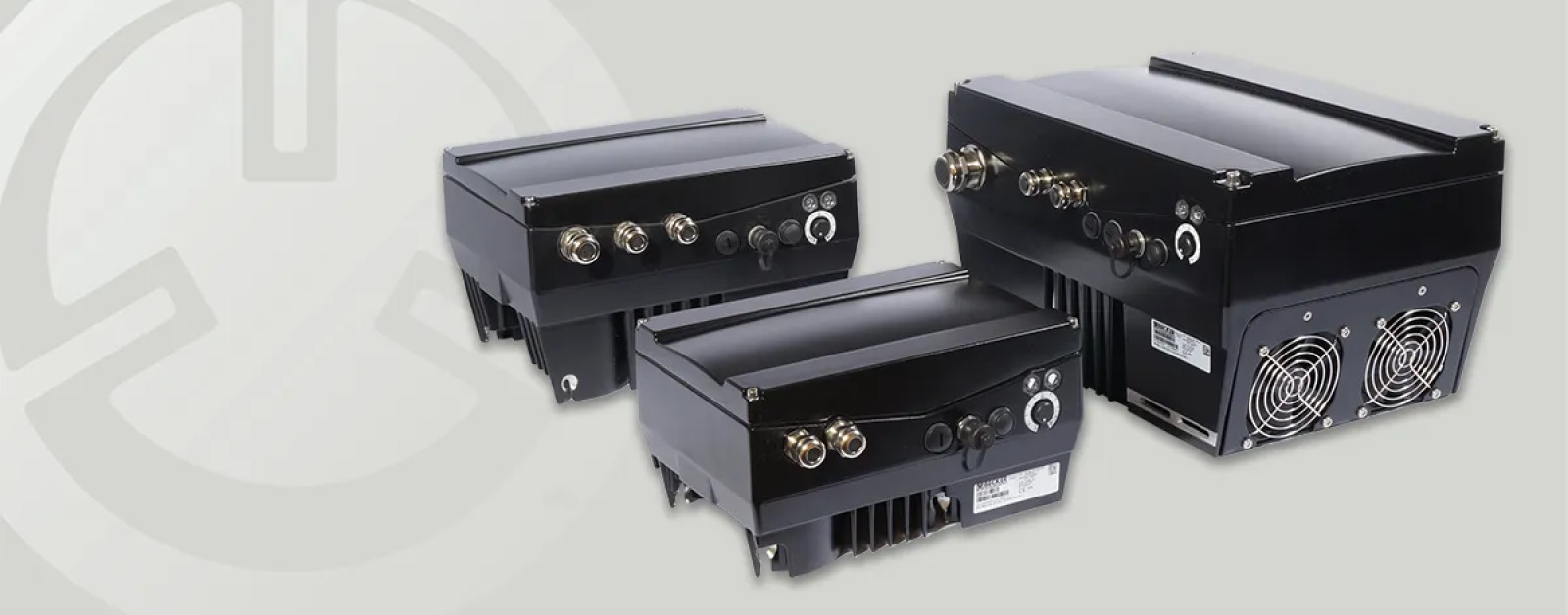
Could You Save Money with a Variable Speed Drive on your Vacuum Pump?
With energy costs continuing to rise and increasing pressure on businesses to reduce carbon emissions, improving energy efficiency has never been more important. For manufacturers and process engineers using vacuum pumps, energy consumption often represents a significant portion of operating costs.
The good news? Reducing energy usage doesn’t always require major capital investment. In many cases, introducing variable speed drives (VSDs) to your vacuum system can deliver substantial energy savings while improving process control and extending equipment life.
What Is a Variable Speed Drive (VSD)?
A variable speed drive (VSD), also known as a variable frequency drive (VFD), frequency inverter, or adjustable speed drive, allows electric motors to operate at different speeds rather than running continuously at full capacity.
Not all vacuum processes always require maximum performance. In reality, vacuum demand fluctuates throughout the day depending on the process, production volume, or operating conditions. This is where VSD technology becomes highly effective.
A VSD converts a fixed-frequency electrical supply into a variable frequency and voltage, allowing the motor speed to adapt precisely to the process requirement. In vacuum applications, this enables better control of:
- Load: the amount of air required by the process
- Flow: the gas flow rate entering the vacuum pump
- Pressure: the required vacuum level
- Power: the electrical energy consumed by the pump
Fixed-Speed vs Variable Speed Vacuum Pumps
Traditional fixed-speed vacuum pumps are typically selected to meet peak process demand. They run continuously at full speed, even when demand is lower. When vacuum demand drops:
- Pressure decreases
- Energy consumption remains high, typically around 70% of maximum power, even when full performance is not required
This approach only works efficiently if your process has a constant, fixed load - which is rarely the case in modern production environments.
How a VSD Improves Energy Efficiency in Industrial Settings:
A variable speed driven vacuum pump automatically adjusts its speed to match real-time demand. Instead of wasting energy, the system maintains a constant vacuum level while motor power fluctuates between 0% and 100%, depending on process requirements. The result:
- Significantly reduced energy consumption
- Less wasted power
- Improved process stability
In fact, reducing motor speed from 100% to just 80% can cut energy consumption by up to 50% - a substantial saving over the lifetime of a vacuum system.
Additional Benefits of Variable Speed Drives
While energy savings are the primary reason many companies invest in VSD technology, there are several additional advantages:
- Precise control of vacuum level, flow, speed, and pressure.
- Reduced mechanical stress, leading to longer equipment life.
- Lower noise levels, particularly at partial load.
- Smooth, controlled start-up, minimising wear on components.
- Easy integration with other process control systems.
- Automatic operation, adapting instantly to demand changes
For centralised vacuum systems, these benefits, and the resulting energy savings, are even more significant, as multiple pumps can be controlled efficiently based on overall system demand.
Make It BECKER: Energy Efficiency with VARIAIR Technology
At Becker, energy efficiency is designed into every product. Many of our vacuum pumps and systems are equipped with VARIAIR variable speed drive technology. The integrated frequency inverter in a VARIAIR unit continuously adjusts pump performance to match your exact requirements. This ensures:
- Optimised energy consumption at all times
- Constant vacuum or pressure, even with severe load fluctuations
- Minimal noise, thanks to the elimination of unnecessary suction or blast air
- Improved reliability, with inlet filtration protecting the pump from environmental contaminants
- Extended service life, due to gentle start-up and reduced mechanical strain
All of this translates into lower operating costs, reduced downtime, and a more sustainable vacuum solution.
Ready to Reduce Your Vacuum System Energy Costs?
If you’re looking to make your vacuum system more energy-efficient, a variable speed driven vacuum pump could be the ideal solution. Contact Becker’s expert team today to discuss how VARIAIR technology or a centralised vacuum system can help you cut energy costs, improve performance, and support your sustainability goals.
Our team is always happy to help!