

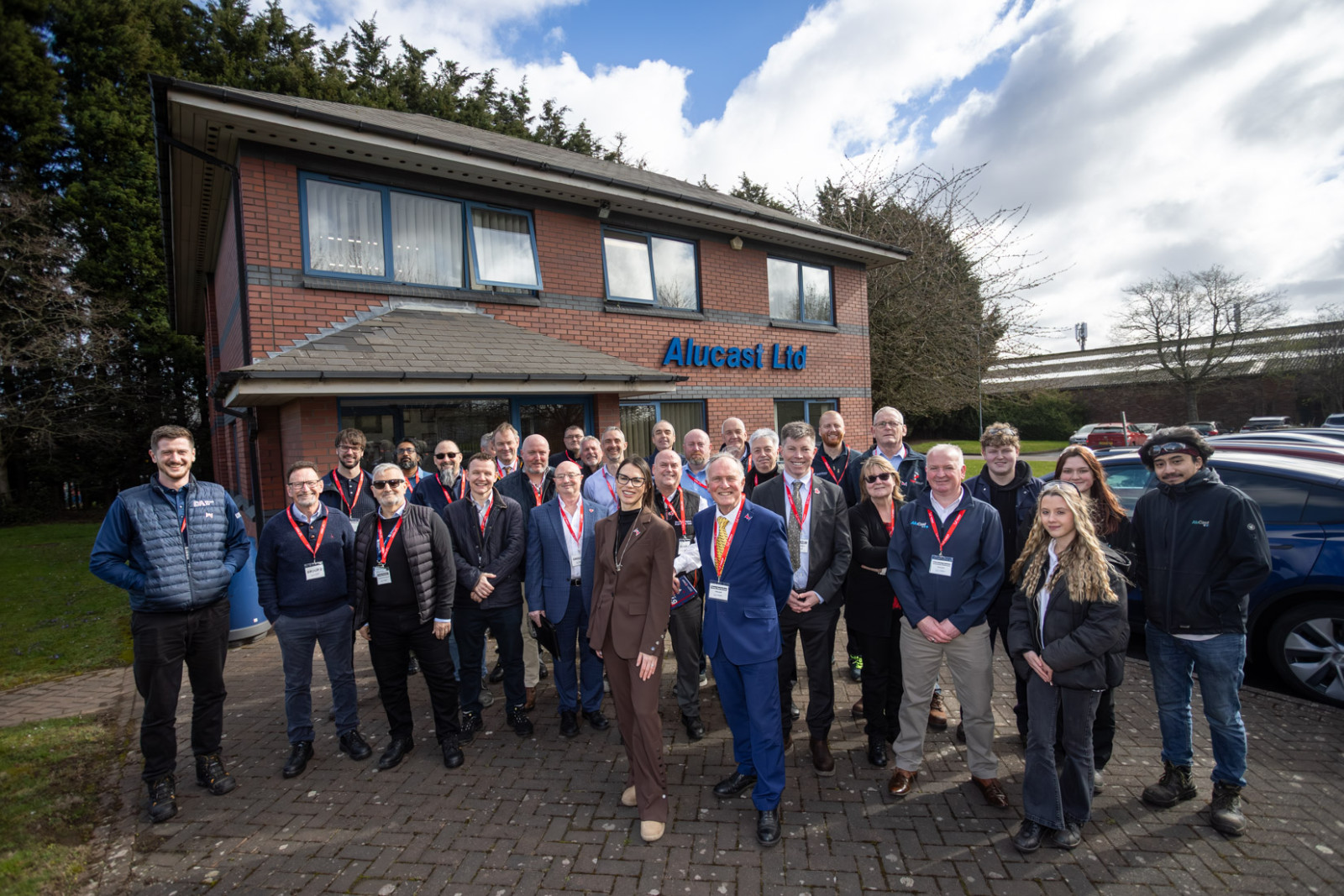
Alucast Hosts Made in Group for a Factory Tour
Every factory has its own pace. At Alucast, it begins behind the scenes.
As members from Made in Group arrived on site, the morning opened in the offices, where conversations quickly formed over coffee. It was a familiar rhythm - introductions, reconnecting, and a shared curiosity about the business hosting the day. It was only later, stepping onto the shop floor, that the full character of Alucast revealed itself - a working foundry, active, grounded, and built around processes that have evolved over decades rather than months.
The group reflected the strength of the network itself, with manufacturers travelling in from across the Midlands and beyond, spanning casting, coatings, machining, recycling and academia. What connected them was not just sector alignment, but the recognition that no business operates in isolation.
Behind the scenes, the visit had been brought together by CEO Anthony Evans, who has recently joined the business and played a key role in opening Alucast up to the Made in Group network. The day itself reflected that intent - not just to showcase capability, but to build stronger connections across the manufacturing community.
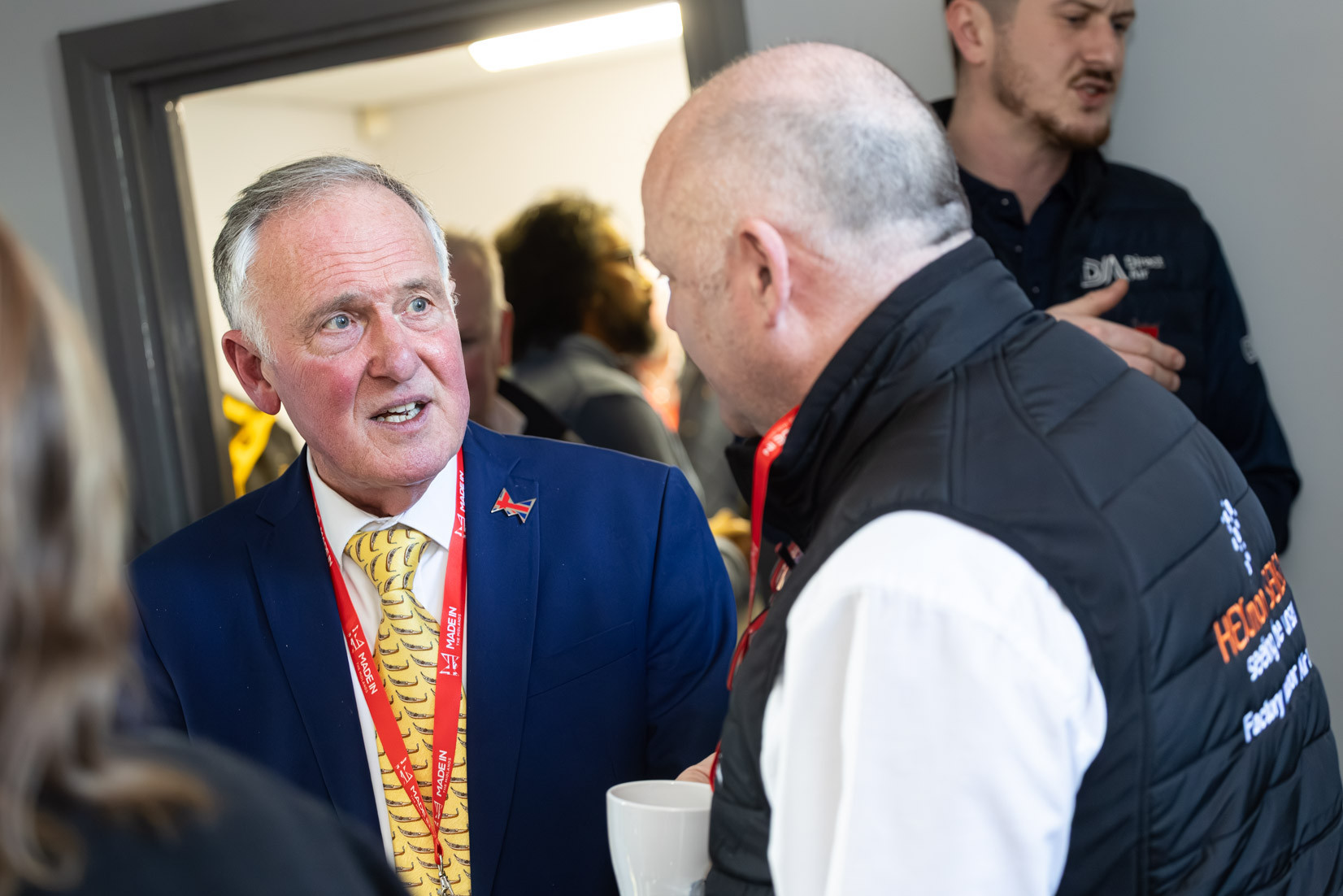
Members in conversation with Tony Sartorius, Chairman of Alucast, during the networking session.
A welcome rooted in industry
When the group gathered, Jason Pitt, CEO of Made in Group, opened with a clear message. The purpose of the day was not just to tour a facility, but to strengthen relationships across the supply chain - to “do more locally” and recognise how dependent businesses are on each other, particularly in a period where resilience is being tested.
Tony Sartorius, Chairman and owner of Alucast, followed with a welcome that was direct and grounded in experience.
“We are a foundry,” he said. “We are in the foundation industry, so very important to the nation.”
He then placed that statement into a much wider context.
“The first known casting is from 3200 BC… a copper frog found in Mesopotamia.”
It was a brief reference, but it reframed the room. This is not a new industry adapting to change - it is one of the oldest forms of manufacturing, still evolving.
Tony outlined the business as it stands today - a £10 million operation employing around 100 people, with four aluminium casting processes running on one site: gravity, low pressure, sand and high pressure. Each process plays a distinct role, allowing the business to respond to a wide range of component requirements.
Alongside this sits a clear commitment to skills.
“We have six apprentices here… it’s very important that we train youngsters and train engineers.”
People and continuity
What stood out early on was the sense of continuity within the business.
Tony spoke about ownership not as a headline, but as context. The company has passed through different hands over time, but always with the same outcome - it has been kept going.
“We’re in business today because we kept the business going… by families.”
It was a simple point, but an important one. Longevity in manufacturing is rarely the result of a single decision. It is built over time, through consistency, resilience, and a willingness to adapt without losing direction.
That continuity could be seen across the workforce as well - in long-serving employees, in leadership that has grown within the business, and in the next generation coming through.
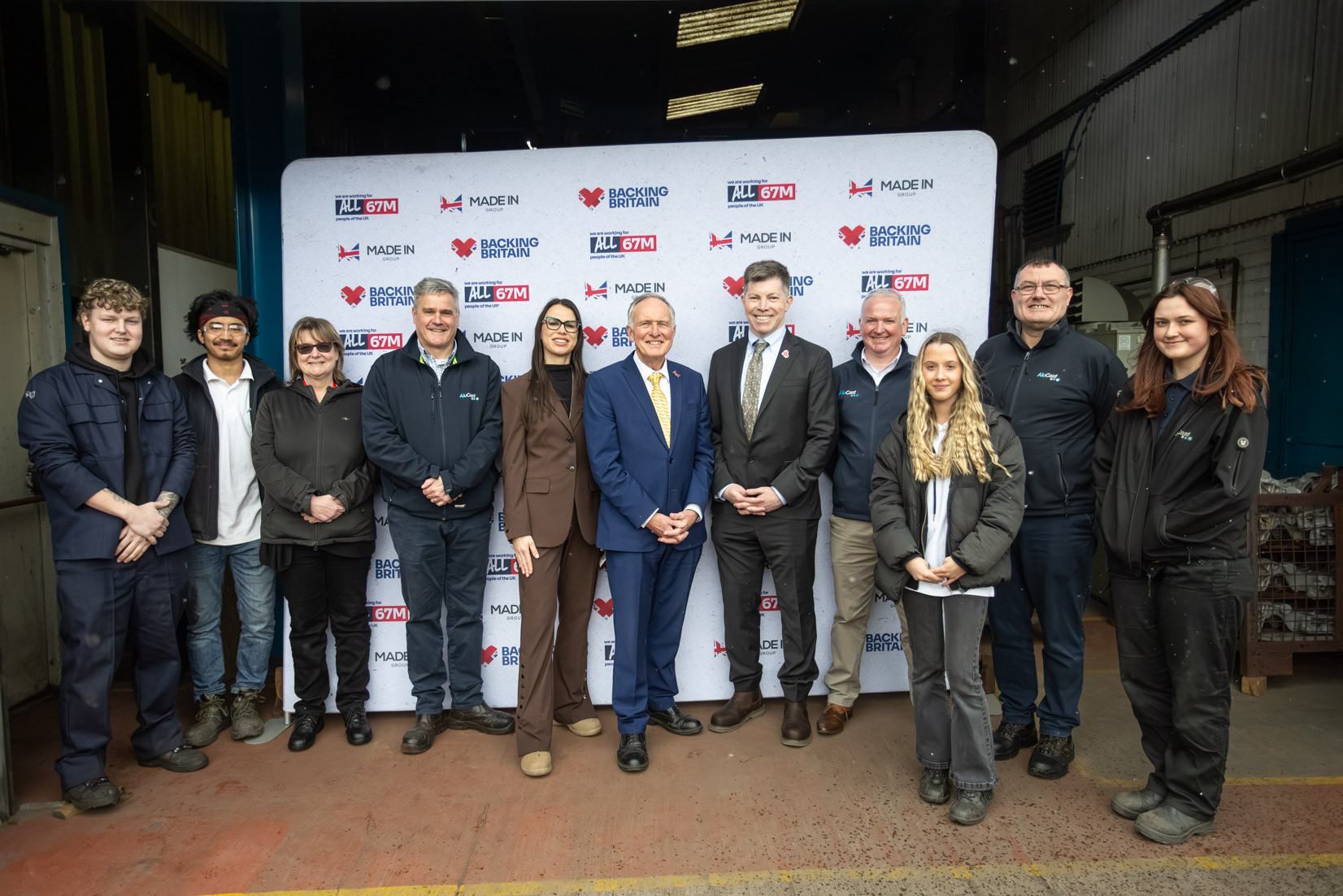
Alucast and Made in Group pictured (L-R): Ryan Pateman – CNC Maintenance Apprentice; Tegan Thuta – Quality Foundry Apprentice Technician; Rita Nardone – Sales Support; Martin Haynes – Managing Director; Ilona Pitt – Director, Made in Group; Tony Sartorius – Chairman; Jason Pitt – CEO, Made in Group; Anthony Evans – CEO; Charlie Thomas – Supplier Apprentice Technician; Neil Curl – Manufacturing Manager; Jessica Stote – Quality Foundry Apprentice Technician.
The factory tour: four processes, one operation
With PPE issued and groups divided, members moved onto the shop floor, guided by Managing Director Martin Haynes and Manufacturing Manager Neil Curl. Their commentary brought clarity to what can often feel like a complex environment, explaining each stage through the lens of real operations.
Alongside them were apprentices Ryan Pateman, Tegan Thuta, Charlie Thomas and Jessica Stote, who were present throughout the tour and networking sessions. Their involvement gave a direct view into how skills are being developed within the business today, not as a future plan, but as part of its current structure.
That balance - experienced leadership alongside emerging talent - was visible across the shop floor.
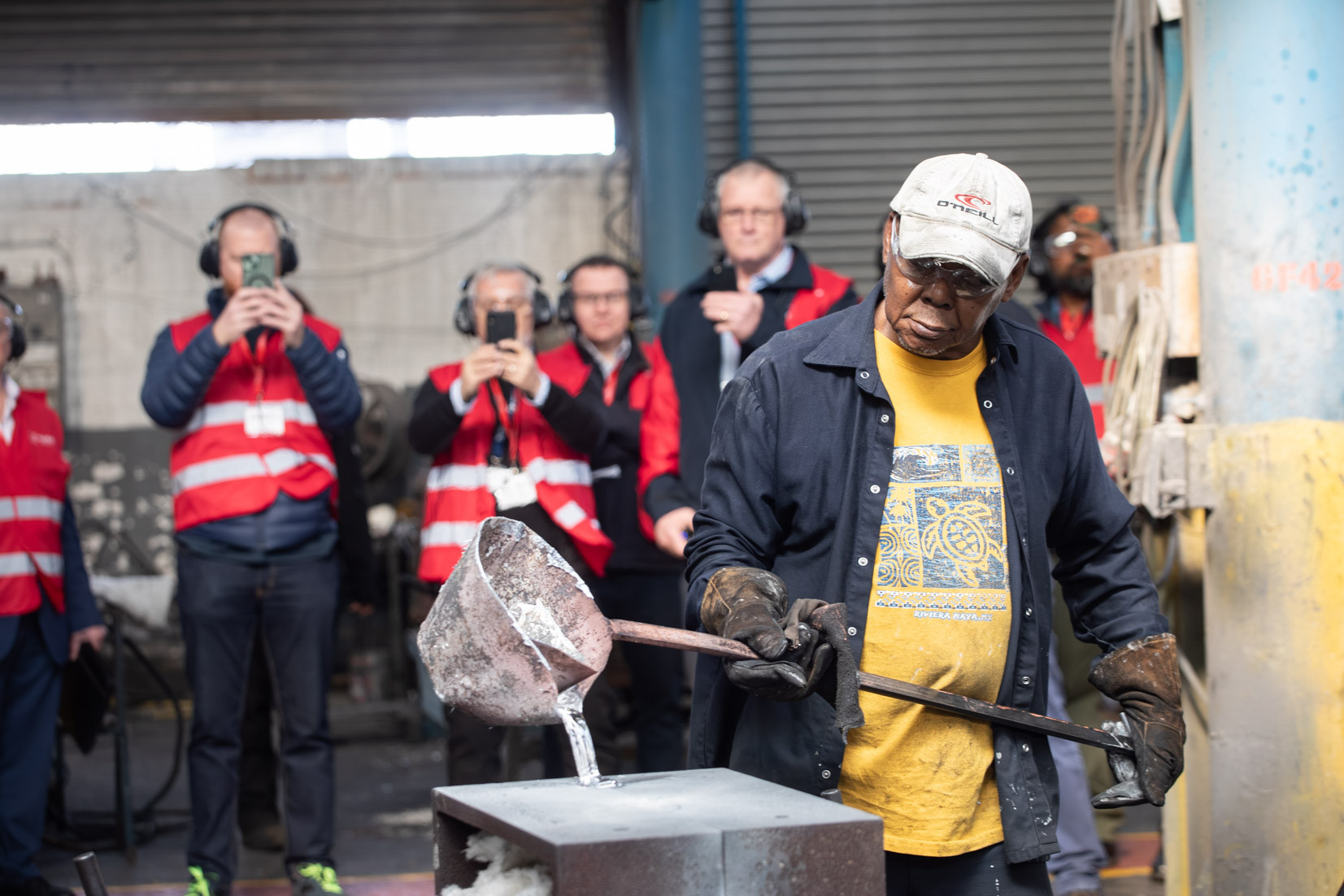
What followed was a full walkthrough of aluminium casting in practice. Few sites offer this level of visibility across processes in one place. High pressure, low pressure, gravity and sand casting were all operating within the same facility, each with its own pace and application.
Molten aluminium, held at around 720 degrees, moved through the processes, solidifying within minutes as it formed into components. The contrast between methods was clear - from more automated high-pressure systems to the flexibility of sand casting.
Rather than being explained theoretically, the differences were visible. Members could see how components are shaped depending on volume, complexity and performance requirements.
The integration of machining and finishing operations completed the picture, reinforcing Alucast’s position as a fully integrated manufacturer rather than a single-process supplier.
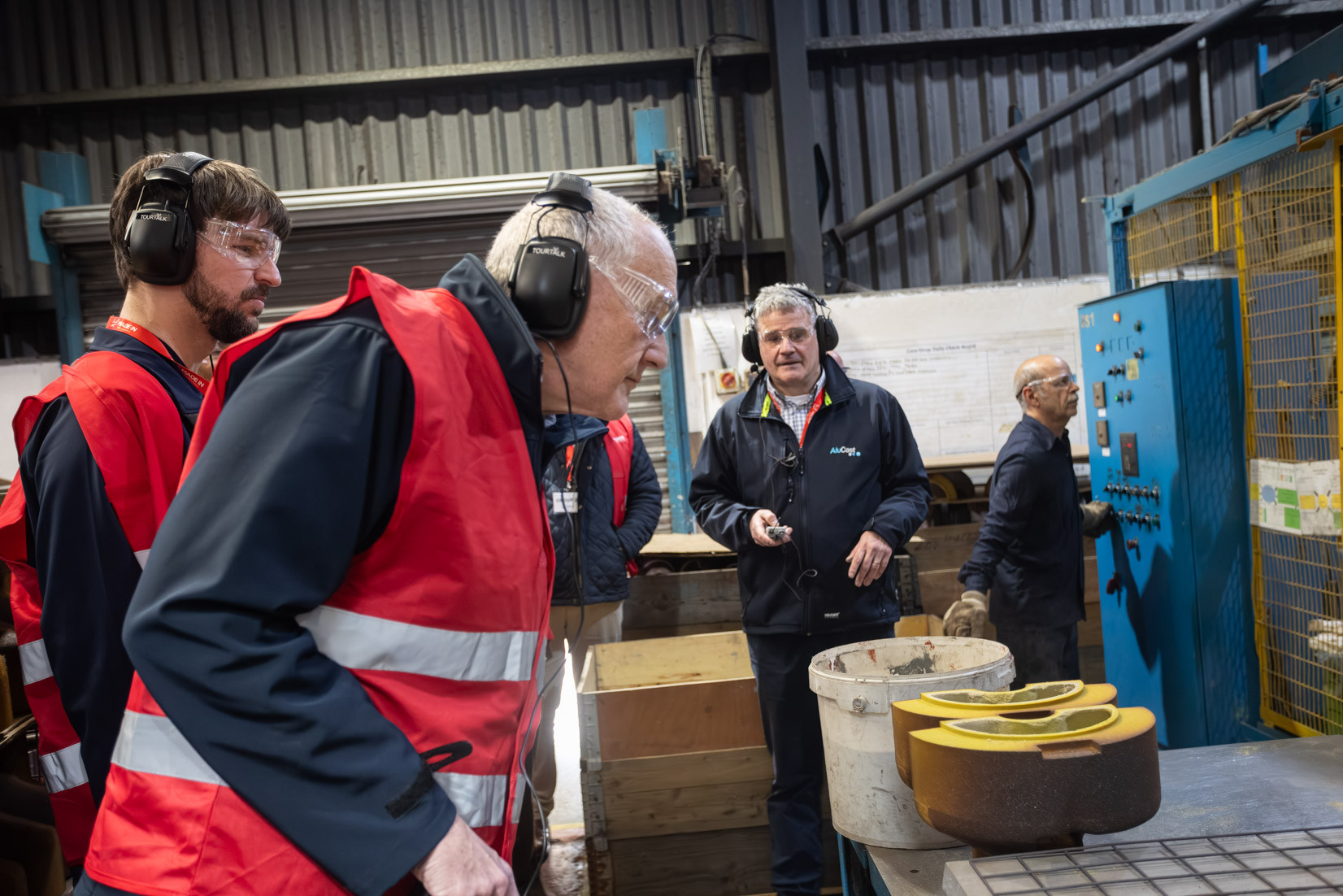
Members observe casting processes up close during the factory tour, guided through operations on the shop floor.
Capability and direction
When the group reconvened, the Q&A moved the discussion forward.
The focus shifted from what the business does to where it is going next.
Tony Sartorius spoke openly about the next phase:
“We’ve got lots of capacity… our next big project is to expand our sales, expand our customer base and diversify.”
Automotive remains a core part of the business, but the direction is clear - reduce reliance while maintaining volume. Aerospace and defence were highlighted as natural areas of growth, building on capabilities already in place rather than requiring a change in identity.
The conversation then widened into supply chains.
“We’re able to make parts… we just need help to identify where we fit.”
It was a practical observation. The capability exists, but accessing the right tiers within more complex industries remains a challenge.
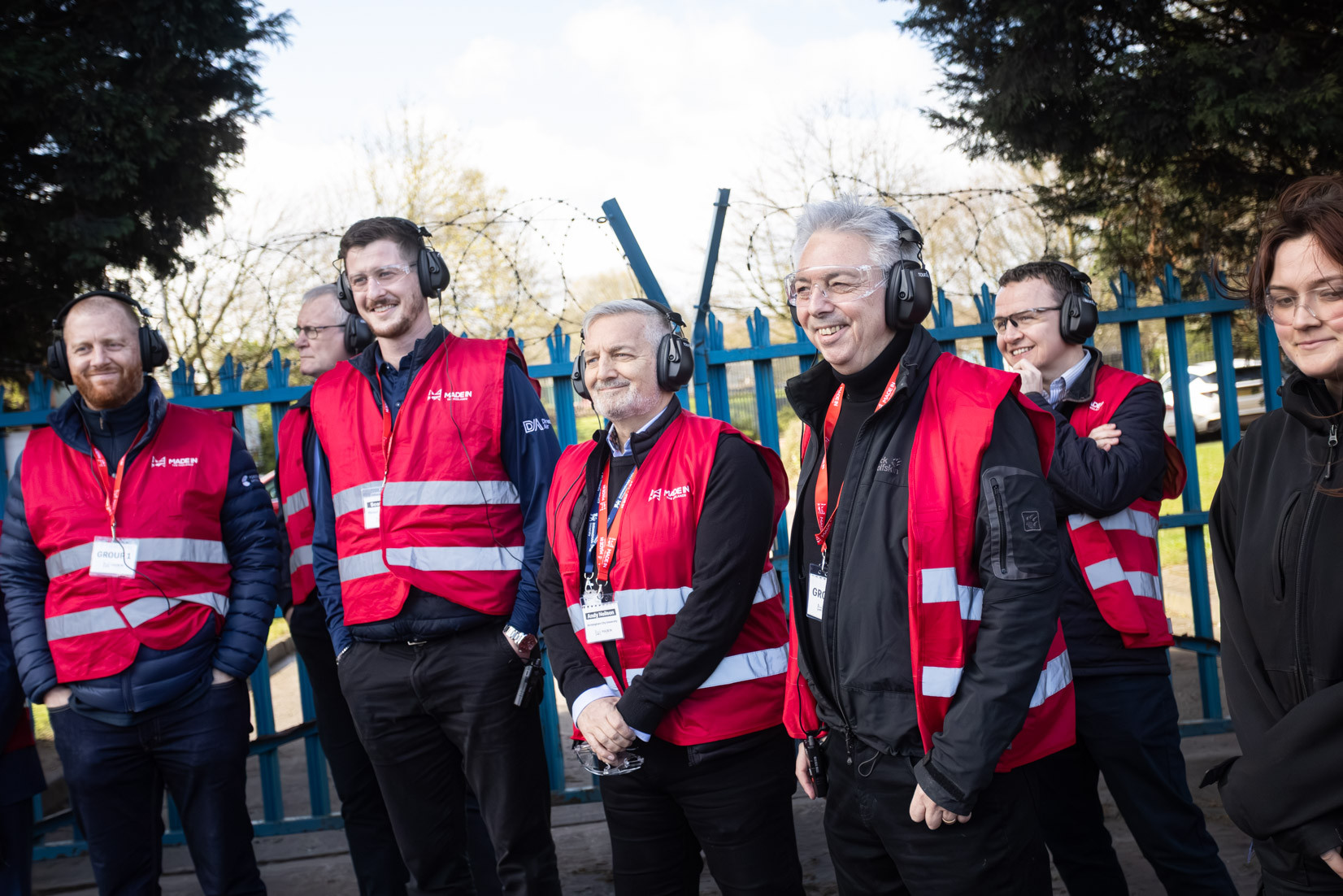
Made in Group members during the factory tour, observing operations and engaging with the Alucast team.
Materials, energy and opportunity
Sustainability was discussed as part of the operation rather than a separate initiative.
Aluminium’s recyclability creates an opportunity to rethink material flows, particularly within the UK. The discussion touched on the potential to reprocess end-of-life aluminium domestically, reducing reliance on imported primary material and improving overall efficiency.
There was also focus on material development, with ongoing work to improve strength and reduce weight - showing how traditional processes continue to evolve through engineering.
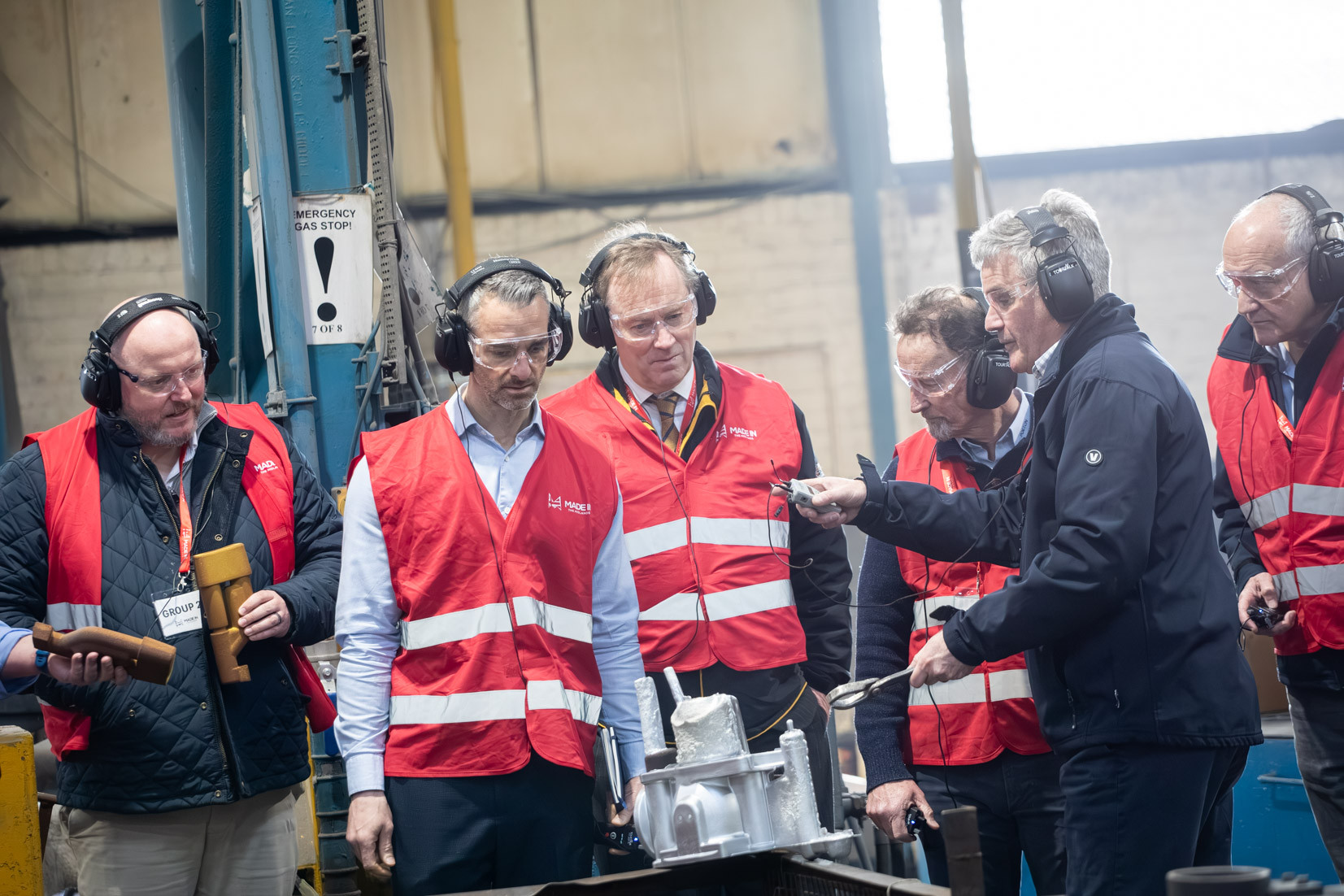
Members examine a freshly cast aluminium component as part of a live demonstration on the shop floor, guided by Martin Haynes – Managing Director
Closing reflections
As the session came to a close, members returned to informal conversations, continuing discussions that had started earlier in the day.
Nearly 60 years on from its founding, Alucast is not trying to reposition itself. It is building on what it already is - a manufacturing business grounded in process, people and long-term thinking.
And for those in the room, that made the visit more than a tour. It was a practical look at how experience and direction can sit side by side in a modern manufacturing environment.